


Central Heating Pump Wigan: Warning Signs and Swap Steps
A central heating pump rarely announces itself with a bang. Usually the first clue is a bedroom radiator that stays cold while the rest of the house warms up, or a boiler that fires, runs, and still leaves you reaching for a jumper. In homes across Wigan and Leigh, we are often called out when a pump has been struggling for months. This guide covers the warning signs of a failing central heating pump, how long these units typically last, and what really happens when an engineer swaps one out, from isolating the system to bleeding air at the end. If you are looking for a central heating pump Wigan households can trust, knowing what to expect makes the decision far easier.
Table of Contents
Quick Takeaways
Key Insight | Explanation |
|---|---|
Cold radiators on one level point to a pump problem | If the boiler fires and the hot water flow is weak across one floor only, the pump is a strong suspect, especially if the valves are open. |
A silent pump with a running boiler is a red flag | A healthy pump has a slight hum and minor vibration. When the heating calls for heat and the pump body is still, the rotor may be seized or the unit may have failed. |
Pumps often seize after a long summer | Months without use let internal parts stick. Check the heating in the first cold week of autumn, not on the first freezing morning. |
Repeated repairs on an old pump cost more than a swap | If the pump is around 10 years old or older and has needed attention more than once, replacement is usually the sensible money decision. |
A swap is usually completed in a single visit | Isolating, removing the old unit, fitting the new one, refilling, and venting are the core steps. Most homes are back to normal the same day. |
Servicing protects the new pump | Inhibitor, a magnetic filter, and an annual service cut down on sludge, which is the main thing that wears pumps out early. |
Signs Your Central Heating Pump Is Failing
Your central heating pump moves hot water from the boiler to every radiator in the house. When it starts to struggle, you will notice the heating taking longer to come on, some radiators staying cold, or the boiler cutting out. Those symptoms overlap with other faults, so you need to read them together rather than one at a time.

The most useful clue is the pattern. If one radiator is cold while the others are hot, the cause is usually a valve, trapped air, or a blocked radiator rather than the pump. If every radiator is lukewarm and a room that used to warm quickly now takes much longer, the pump moves to the top of the list.
Cold radiators on one floor
When the upstairs radiators stay cold but the downstairs ones heat up, the pump may be moving water too weakly to climb the pipework. We often find that the homeowner has been bleeding radiators for weeks without success. In practice, a weak pump is only one possible cause, so we always check the valves and the system pressure before condemning the pump.
Noises from the pump and boiler cupboard
Gurgling usually means air or sludge is moving through the circuit. A grinding sound often points to worn bearings or a pump working against a blockage, while a loud whoosh can come from air being pushed around the system. Vibration that you can feel through the pipework is another common sign that the pump needs attention.
A pump that goes quiet while the boiler is firing is more worrying than one that is noisy, because silence often means the impeller is not turning at all.
Leaks at the pump body
Weeping from the pump body or from the connections either side of it is common, and the cause is usually worn seals. Tightening the fittings may stop the drip for a day, but it rarely fixes the underlying problem. Topping up the system pressure to hide a leak is a mistake, because it pushes water out through the same weak spot.
How Long Does a Central Heating Pump Last?
Most central heating pumps last around 10 to 15 years, although some keep going longer if the system is well maintained. Age alone does not condemn a pump, but it does change the maths when something goes wrong. A pump that is still quiet and running smoothly at 12 years old may be worth keeping, while one that is grinding at the same age is usually past its best.
The lifespan is shortened by a handful of familiar problems. These are the ones we see most often when we open up a system:
Sludge building up inside the system
Hard water and limescale
No annual boiler service
Running the system at low pressure
Leaving the pump unused for long periods
What shortens pump life in practice
Sludge is the biggest culprit. It is a mix of rust and debris that collects in radiators and gradually grinds down the moving parts of the pump. A system that has never been flushed or fitted with a filter can carry a surprising amount of it, and the pump is the first component to feel the effect.
Low pressure is the second. When the system pressure drops, air can enter the pump housing, and a pump running partly dry overheats and wears quickly. Checking the pressure gauge once a month is one of the simplest habits a homeowner can build.
When age alone justifies a swap
If your pump is more than 10 years old and has needed attention more than once, replacing it is usually more cost effective than paying for repeated repairs. Each callout adds up, and the next failure often arrives at the worst possible moment, such as a cold weekend. A new pump gives you a known starting point and a warranty to rely on.
Pro tip: Find the installation date of your boiler and write it down somewhere safe, such as the inside of the boiler cover. It is the quickest way for an engineer to judge how old the heating system is before they arrive, and it helps you decide between a repair and a replacement.
Why Pumps Seize After Summer
A seized pump is one of the most common complaints we hear in the autumn. The heating goes unused for months, the internal components sit still, and then the first cold snap asks the pump to start turning again. If the rotor has stuck, the boiler will fire but no water will circulate.
An engineer can often free a seized pump temporarily, but older units usually need replacing. You may find online guides suggesting you tap a jammed pump or turn the shaft by hand. We would not advise it on a sealed system, because a heavy-handed attempt can damage the rotor, crack the casing, or start a leak that floods the cupboard.
Why the first cold week exposes it
Summer shutdown is the perfect environment for a pump to lock up. Water sits still, minerals settle, and the moving parts stop moving for weeks at a time. When the heating finally calls for heat, the pump has to overcome that stiffness, and a tired unit simply gives up.
The fix is to run the heating for a short while every few weeks during the warmer months. Even a brief run keeps the pump from sitting idle long enough to seize. It takes very little effort and can save a callout on the first cold morning.
Freeing a pump versus replacing it
A freed pump can run for a while, but it has often lost the internal parts that made it reliable in the first place. In our experience, the pump that seizes once will usually seize again within a season or two. If the pump is young and the seizure was clearly caused by a long idle period, freeing it can be a reasonable short-term option. Beyond that, the sensible move is a replacement.
Electrical Faults and Controls
Not every failed pump is mechanical. A blown fuse, a damaged wire, or a failed capacitor can stop the pump from receiving power at all, and the symptoms look identical to a seized unit. Before you assume the worst, it is worth checking the simple things that a homeowner can safely see.
Start by looking at the boiler display for an error code, check whether the fuse spur has tripped, and confirm that the thermostat or programmer is actually calling for heat. These checks take a few minutes and can rule out a fault that has nothing to do with the pump itself.
Quick checks before you call
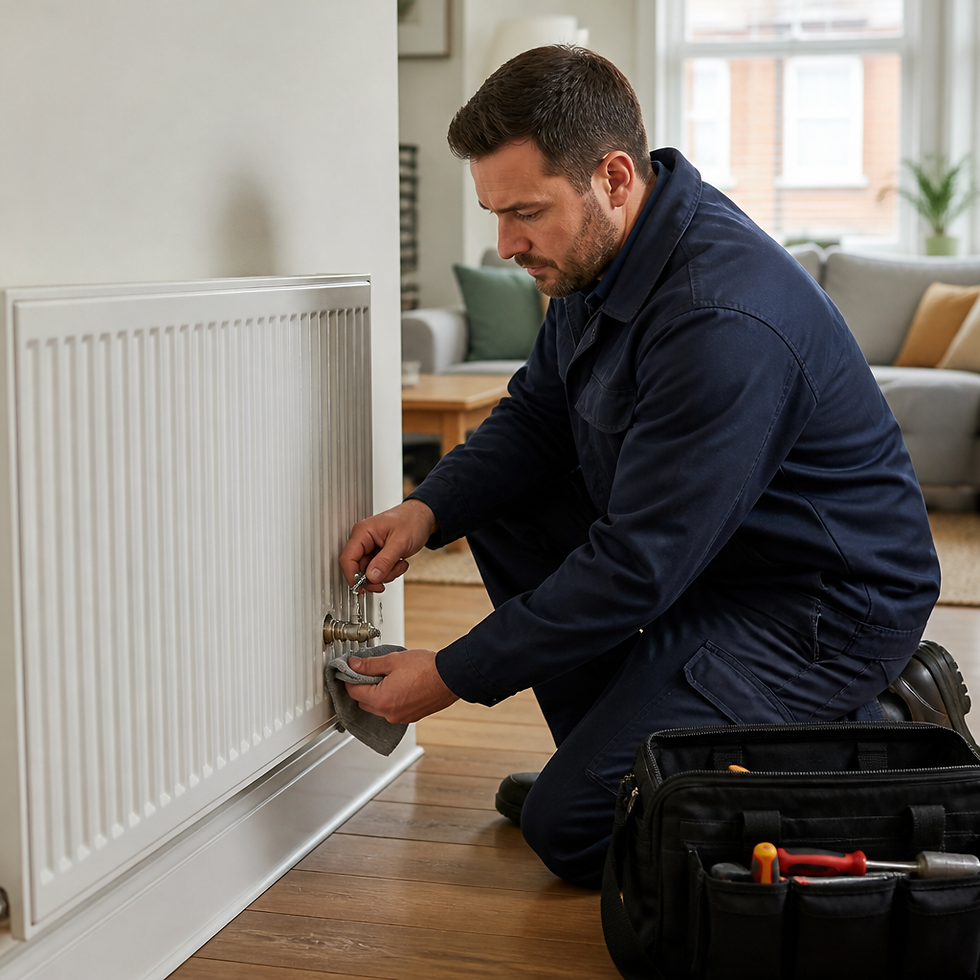
Look at the thermostat setting and the time schedule first, because a heating programme that is set to off will look exactly like a broken pump. Then check the boiler display for any code, and note it down so you can tell the engineer. If the boiler shows a fault code and the pump is silent, a qualified engineer should take it from there.
Thermostat and timer faults
A faulty programmer or room thermostat can prevent the pump from starting even when the boiler is ready. The pump receives its signal from the controls, so a fault there looks like a pump failure from the outside. Testing the controls and the wiring should always be left to a qualified engineer, and a Gas Safe registered engineer should carry out any work near the boiler.
Repair, Descale or Replace?
Once a pump is confirmed as the problem, you usually have three routes. Each one suits a different situation, and choosing the wrong one is how homeowners end up paying twice. The table below sets out the trade-offs we discuss with customers.
Option | Best suited to | Trade-off |
|---|---|---|
Free a seized pump | A young pump that stopped after a long summer idle period | Quick and inexpensive, but the unit may seize again, and it does not fix a worn pump. |
Flush sludge and fit a magnetic filter | A system with dirty radiators, poor flow, or a pump that is noisy but still turning | Protects the pump and the boiler, but will not revive a pump with worn bearings. |
Replace the pump | An older pump that is failing repeatedly, leaking, or grinding | The highest upfront cost, but it gives a known, reliable circuit and removes the risk of another callout soon. |
In most homes we see, the right answer is to combine options. A flush and a filter fitted at the same visit protects a new pump from the sludge that killed the old one. Replacing the pump without addressing the cause is how a new unit ends up failing within a few years.
What Happens During a Pump Swap
A pump swap sounds like a single job, but it is a sequence of steps, and the order matters. Knowing what the engineer will do helps you judge whether the work is being done properly. It also helps you plan around the few hours your heating will be off.
Before the engineer arrives
Clear a path to the boiler and the pump, and make sure the engineer can reach the cupboard without moving furniture. Plan for the heating to be off for the duration of the visit, and make sure you have a warm room or a backup heater for the day. If you have any concerns about the existing system, write them down so you do not forget them when the engineer is on site.
Isolating and draining the circuit
The engineer will switch off the boiler and the electrical supply to the pump before touching anything. Isolation valves, where fitted, let them close off the pump and drain only the part of the system they need. Draining is done carefully, because the water in the system can carry sludge and needs to go somewhere safe.
Once the pump is isolated, the engineer will check the flow and return connections and look for signs of damage or leaks. This is also the point where they can see the state of the system water, which tells them whether a filter or flush is needed.
Fitting the new pump and checking the seals
The old pump is removed and the new one is fitted with the correct orientation, which matters because the pump has to sit in the right position for the water to flow properly. New seals and gaskets go in at every joint. A rushed fitting is where most leaks begin, so the engineer should check each connection by hand before reopening the system.
Refilling, venting and testing
The system is refilled slowly, and air is bled from the radiators and the pump until the water runs clean and steady. The engineer will then bring the pressure to the correct level, switch the power back on, and run the heating through a full cycle. They should check that every radiator heats up and that the pump runs quietly.
Pro tip: Ask whether the engineer will check the system pressure and the filling loop after the swap. A new pump on a low-pressure system will not give you the heat you are paying for, and this simple check takes only a few minutes.
Choosing a Replacement Pump
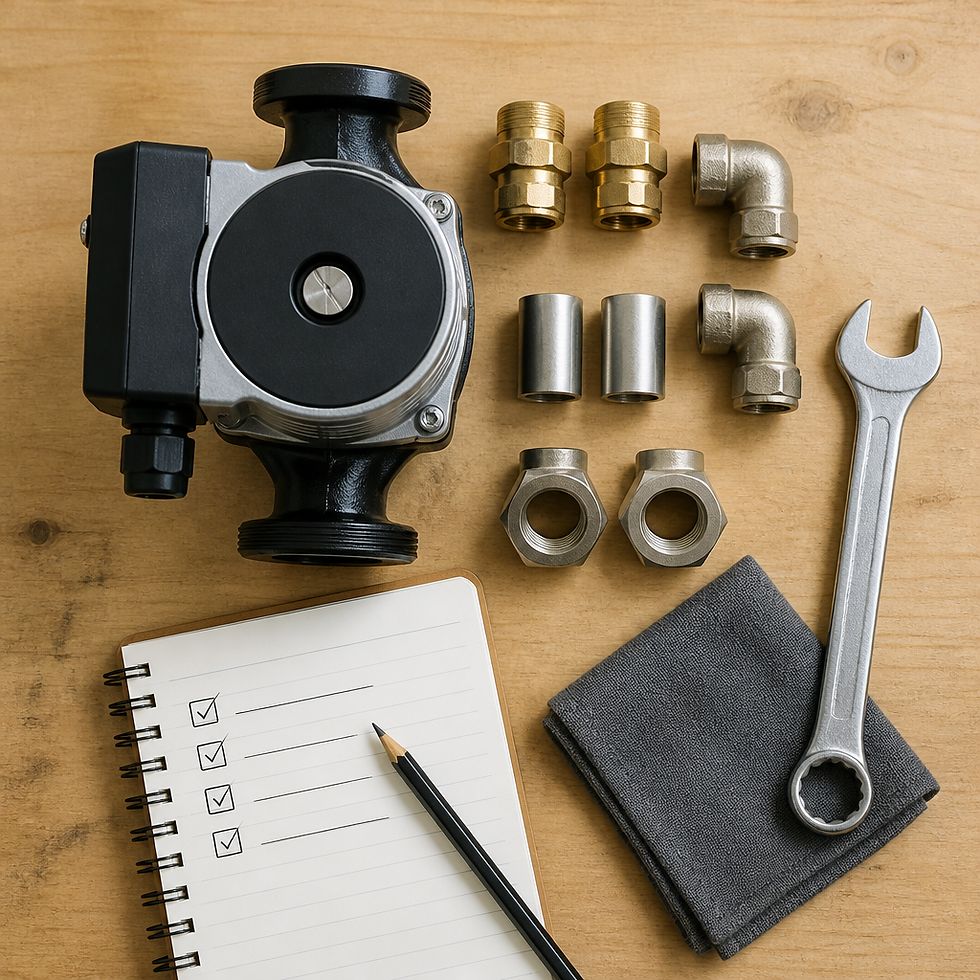
Choosing a replacement is not just about picking the cheapest unit on the shelf. The pump has to suit the size of the system, the boiler, and the way the heating is controlled. A pump that is too powerful can cause noise and wear, while one that is too weak will leave cold radiators at the far end of the house.
Matching the pump to your system
A good heating engineer will check the existing pump's specification, the boiler's requirements, and the layout of the pipework before recommending a model. In Leigh, Wigan, and the surrounding areas, many homes have a mix of older and newer pipework, so the engineer needs to account for the way the system was originally installed. Matching the pump to the system is the difference between a quiet, efficient circuit and a noisy one that needs attention again.
If you are searching for a circulation pump replacement Leigh homeowners can rely on, ask the engineer to explain why they have chosen a particular model. A clear answer about flow, head, and compatibility is a good sign.
Variable speed versus fixed speed
Variable-speed pumps adjust their output to match the demand in the system, which can reduce electricity use compared with a fixed-speed unit running at full power all the time. The savings depend on how the system is set up, how the controls are programmed, and how the radiators are balanced. Fitting a variable-speed model to a poorly balanced system will not solve the underlying problems, so the setup matters as much as the pump.
For most homes we visit, a variable-speed pump is worth considering when the system is being rebuilt or significantly upgraded. For a simple like-for-like swap on an otherwise sound system, a correctly sized fixed-speed unit is usually enough. Either way, the engineer should explain the choice in plain English before any work starts.
Preventing Early Pump Failure
A new pump will only last as long as the system around it allows. The most effective protection is simple, inexpensive maintenance that keeps sludge out of the circuit and water pressure in the right range. Most early pump failures we attend could have been avoided with a little routine care.
Inhibitor and magnetic filter
An inhibitor helps prevent corrosion inside the system, which in turn reduces the sludge that wears pumps out. A magnetic filter catches the iron oxide particles that circulate through the pipework and holds them where they can be cleaned out. Fitting both at the same time as a pump replacement is one of the most cost effective decisions a homeowner can make.
Check the filter occasionally, and have the inhibitor level checked during the annual service. A system that has been left alone for years may need a full flush before a new pump is fitted, so ask the engineer to assess the water quality as part of the visit.
Annual servicing checks
An annual service is the best window for an engineer to spot the early signs of pump trouble. They can listen to the pump, check the pressure, look for leaks, and confirm that the controls are working as they should. A small issue caught in the spring is far cheaper than a seized pump on a cold November night.
Keep a simple record of the service dates, the pressure readings, and any unusual noises. When the pump does eventually need replacing, that history helps the engineer understand the system faster and make a better recommendation.
Frequently Asked Questions
How can I tell if my central heating pump is failing?
The most common signs are radiators that stay cold while the boiler fires, unusual noises such as grinding or gurgling, a pump body that is silent while the heating is calling for heat, and leaks around the pump connections. If several of these appear together, it is worth arranging an engineer to inspect the system.
Can a central heating pump be replaced without draining the whole system?
In many homes the engineer can isolate the pump using isolation valves and drain only the part of the system they need. Where isolation valves are not fitted, more water may need to be drained. Either way, the system should be refilled, vented, and pressure tested before the engineer leaves.
How long does a central heating pump replacement take?
Most pump replacements are completed in a single visit. The time depends on how easy the pump is to reach, whether the system needs flushing, and how much air needs bleeding after refilling. Your heating will be off for the duration of the work, so plan accordingly.
Is it safe to free a seized pump myself?
We would not recommend it. Forcing a seized pump can damage the rotor, crack the casing, or cause a leak that floods the boiler cupboard. A qualified engineer can free the pump safely or advise you whether replacement is the better option.
Why does my heating pump keep failing?
Repeated failures are usually caused by sludge, low pressure, or a long period without servicing. Replacing the pump without addressing these causes often leads to another failure within a few years. Ask the engineer to flush the system and fit a magnetic filter at the same visit.
Does a pump replacement need a Gas Safe engineer?
Any work near the boiler should be carried out by a Gas Safe registered engineer. This is the safest choice for the boiler, the controls, and the pipework, and it gives you a clear point of contact if anything needs checking later.
Have you had a central heating pump fail in your home, and what were the first signs you noticed? We would love to hear about your experience, so feel free to get in touch with us and share what happened.



Comments